What Tuckpointing Is and Why It’s Critical for Commercial Buildings
Commercial tuckpointing involves repairing and restoring brickwork to maintain building integrity, and local contractors can help ensure your commercial property stays safe and attractive.
If you’re a property owner or manager exploring ways to preserve and protect commercial buildings, understanding what tuckpointing is and why it’s critical can be a valuable step. Tuckpointing involves repairing and restoring the mortar joints between bricks or stones, which are essential for maintaining the structural integrity and appearance of masonry facades. When mortar begins to deteriorate, it can lead to water infiltration, damage to the underlying structure, and a less professional look for the building’s exterior. Local contractors specializing in commercial tuckpointing offer the expertise needed to address these issues effectively, helping to extend the lifespan of the building while maintaining its aesthetic appeal.
For those managing commercial properties, staying ahead of masonry issues is practical for avoiding costly repairs down the line. Regular tuckpointing can prevent water damage, reduce the risk of structural problems, and improve energy efficiency by sealing gaps that allow drafts. Property owners in the area often turn to experienced service providers for these needs, knowing that proper tuckpointing not only preserves the building’s value but also ensures it remains safe and visually appealing. Keep reading to discover more about how tuckpointing works and why partnering with skilled local contractors can make a meaningful difference in maintaining the strength and integrity of commercial buildings.
- Commercial tuckpointing - property owners may need this service when mortar joints show signs of deterioration, and local contractors use specialized techniques to restore structural integrity.
- Building restoration - when brickwork becomes damaged or weathered, service providers perform tuckpointing to improve durability and appearance of commercial facades.
- Facade repair - businesses seeking to maintain a professional look often rely on local pros to carefully remove and replace compromised mortar in their exteriors.
- Historical building maintenance - preserving the original look and stability of historic commercial properties involves expert tuckpointing by experienced contractors.
- Waterproofing and sealing - local service providers may incorporate tuckpointing as part of efforts to prevent water infiltration and extend the lifespan of commercial brick structures.
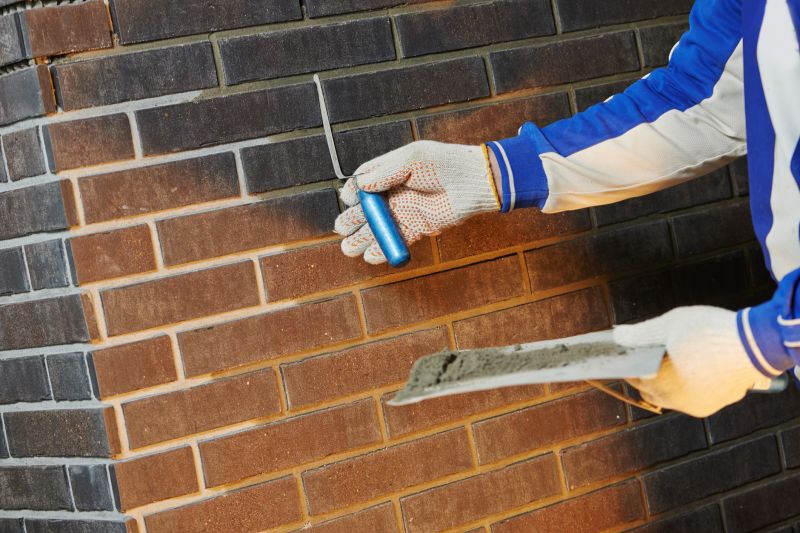
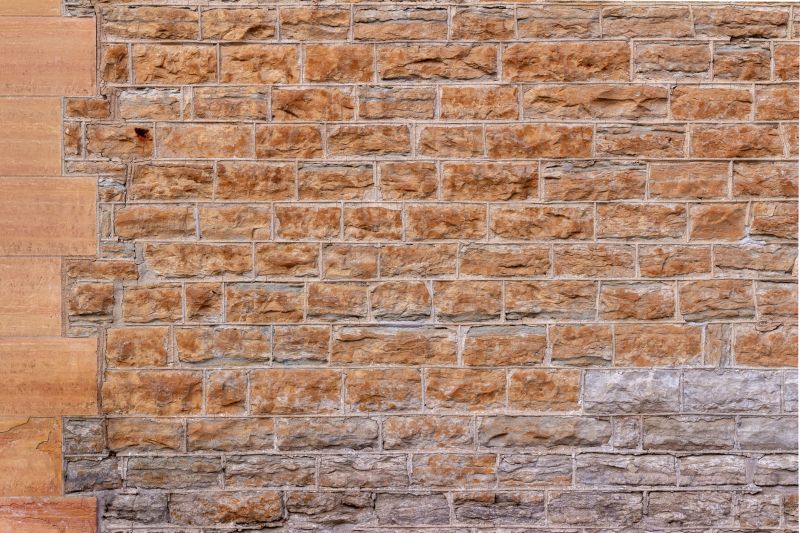
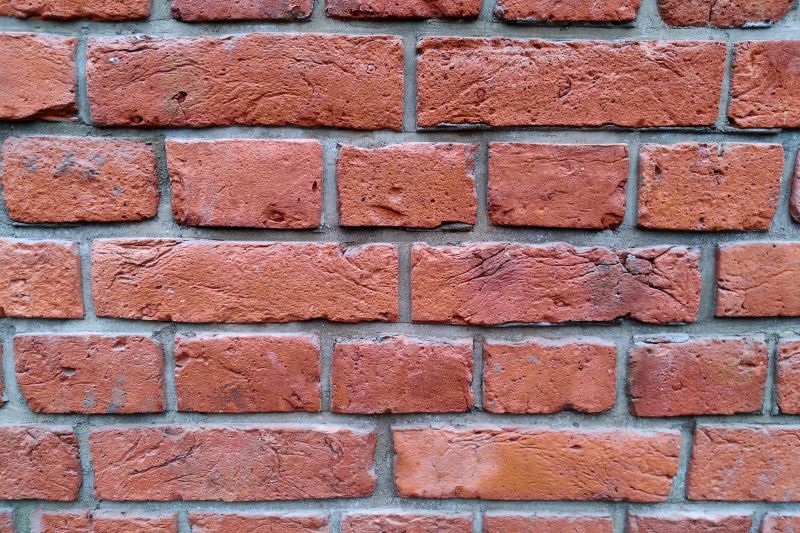
Tuckpointing is a specialized masonry repair process that involves removing deteriorated mortar from between bricks or stones and replacing it with fresh mortar. When people search for what tuckpointing is and why it’s critical for commercial buildings, they are often looking to understand how this technique helps maintain the structural integrity and appearance of their properties. In essence, tuckpointing addresses issues caused by weather, age, and environmental exposure that can weaken the mortar joints, leading to potential damage or safety concerns. Commercial buildings, which typically feature large brick or stone facades, rely heavily on the condition of their mortar to keep the structure stable and visually appealing. Proper tuckpointing ensures that these surfaces remain durable, preventing further deterioration that could compromise the building’s safety or lead to costly repairs down the line.
The need for tuckpointing often arises in the context of property maintenance or renovation projects. Building owners and managers may notice signs of mortar deterioration such as cracks, crumbling, or missing sections, which can expose underlying bricks or stones to moisture and other elements. These issues can threaten the longevity of a commercial property if left unaddressed, making tuckpointing a critical step in preserving the building’s overall condition. Additionally, some property owners plan to improve curb appeal or meet regulatory standards, which often involves restoring or maintaining the masonry’s integrity. Tuckpointing is also essential when preparing a building for lease or sale, as a well-maintained exterior can influence property value and tenant confidence. Local contractors specializing in commercial tuckpointing play a key role in helping property owners develop and execute these plans effectively.
The types of properties that typically require tuckpointing services include office buildings, retail centers, industrial facilities, and multifamily apartment complexes. These structures often feature extensive brick or stone facades that are exposed to the elements year-round. Older buildings, in particular, are more prone to mortar deterioration due to their age and the wear and tear of weather cycles. Commercial properties with decorative masonry elements or intricate brickwork also benefit from professional tuckpointing to preserve their aesthetic appeal. In many cases, property owners seek out local service providers who specialize in commercial tuckpointing because they understand the unique challenges and standards associated with maintaining large-scale masonry. These professionals bring the experience and skill needed to restore and protect the building’s exterior, ensuring it remains structurally sound and visually appealing for years to come.
For property owners considering tuckpointing, understanding how local contractors fit into the process is essential. These service providers are equipped to assess the condition of the masonry, recommend appropriate repairs, and execute the work with precision. They handle the removal of damaged mortar, matching new mortar to the existing material, and carefully restoring the joints to their original appearance. Engaging experienced commercial tuckpointing professionals helps ensure that the repair work is thorough, durable, and compliant with industry standards. This not only extends the lifespan of the building’s masonry but also helps maintain its value and curb appeal. By working with qualified local contractors, property owners can address mortar deterioration proactively, safeguarding their investments and ensuring the continued safety and attractiveness of their commercial properties.
Masonry Restoration - this project involves repairing and restoring brick and stone structures, requiring similar skills and tools as tuckpointing to ensure structural integrity and aesthetic appeal.
Brick Repair and Replacement - replacing damaged or deteriorated bricks involves precise matching and surface preparation, aligning with the planning and craftsmanship used in tuckpointing work.
Facade Cleaning and Surface Preparation - preparing building surfaces for repairs or finishing involves careful cleaning and surface assessment, which are essential steps in tuckpointing projects.
Chimney Repointing - maintaining or restoring chimney mortar joints demands similar techniques and attention to detail as commercial tuckpointing to prevent water intrusion and damage.
Stonework Restoration - restoring or repairing stone facades requires specialized skills in mortar matching and surface finishing, comparable to those used in tuckpointing for commercial buildings.
Structural Masonry Reinforcement - projects that strengthen masonry walls involve planning and skillful application of mortar and brickwork, paralleling the expertise needed for tuckpointing services.
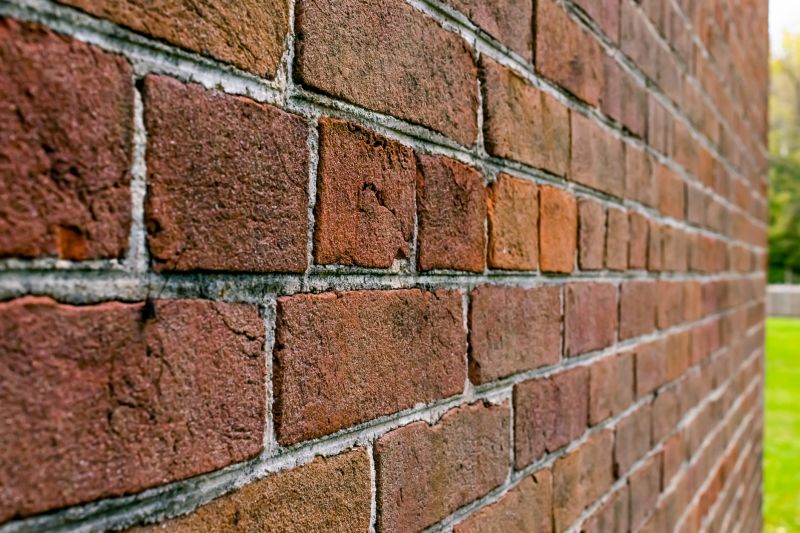
When comparing commercial tuckpointing services, it is important to consider the experience of local contractors with similar projects. Tuckpointing involves specialized skills to restore the mortar joints and ensure the structural integrity of masonry walls, especially for commercial buildings that face unique challenges. Service providers with a proven track record in handling projects of comparable scope and complexity are more likely to deliver quality results. Asking about previous work, reviewing portfolios, or seeking references can help gauge their familiarity with the specific demands of commercial masonry repair and maintenance.
Clear written expectations are essential when evaluating potential service providers. A reputable contractor should be able to provide detailed descriptions of the scope of work, the materials to be used, and the methods they plan to employ. This transparency helps ensure that both parties understand what will be done and reduces the risk of misunderstandings or unmet expectations. When considering different options, it is beneficial to request written proposals or estimates that outline the specific services offered, so that the project’s requirements are clearly communicated and aligned.
Reputable references and effective communication are key indicators of a reliable commercial tuckpointing contractor. Service providers who can offer references from previous clients demonstrate confidence in their work and provide insights into their professionalism and reliability. Good communication throughout the process-such as timely responses to questions and clarity about project details-can significantly influence the overall experience. Choosing local contractors known for their responsiveness and transparency can help ensure that the project proceeds smoothly and meets the critical maintenance needs of a commercial building’s masonry system.
Property owners often search for what tuckpointing is and why it’s critical for commercial buildings when they are planning practical projects around their homes and businesses. Local pros provide Commercial Tuckpointing services for everyday jobs and straightforward project options.
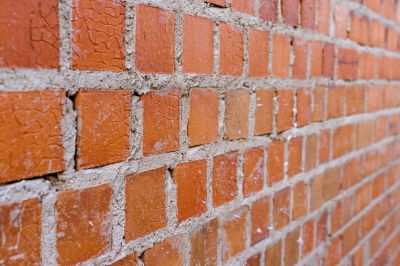
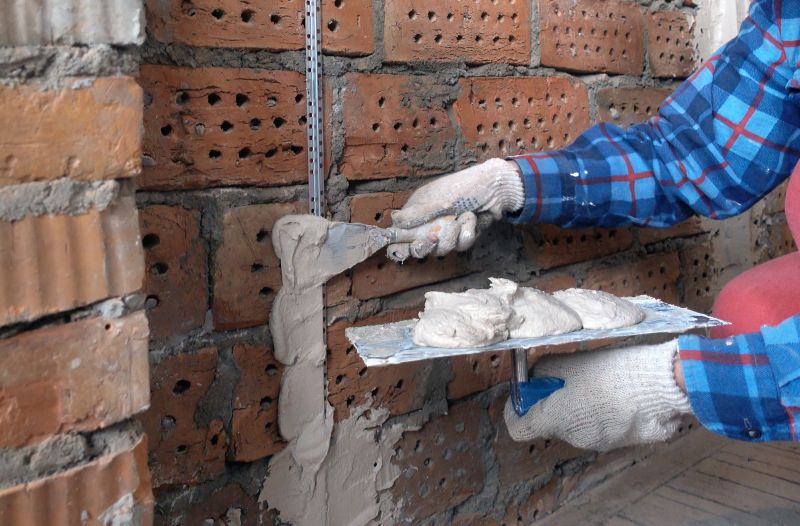
Tuckpointing is a process used to repair and restore the mortar joints between bricks or stones on a building’s exterior. For commercial properties, maintaining the integrity of these joints is essential to prevent water infiltration, which can lead to structural damage and costly repairs over time. Property owners often look into tuckpointing when they notice cracked or deteriorating mortar, as addressing these issues early helps preserve the building’s appearance and stability. Local contractors specializing in commercial tuckpointing can assess the condition of the masonry and provide the necessary repairs to keep the structure sound and visually appealing.
In many cases, property owners seek out tuckpointing services to improve the overall safety and longevity of their commercial buildings. Over time, weather exposure and age can cause mortar to weaken, making it more vulnerable to damage. Having skilled service providers handle tuckpointing ensures that the repairs are done properly, helping to protect the building from further deterioration and maintaining its value. When considering this type of work, reaching out to experienced local contractors can provide the expertise needed to restore and preserve masonry surfaces effectively.
What is tuckpointing and how does it relate to commercial buildings? Tuckpointing is a masonry repair process that involves removing damaged mortar and replacing it to strengthen and restore the appearance of brick structures, which is essential for maintaining the integrity of commercial buildings.
Why is tuckpointing considered critical for the longevity of commercial buildings? Tuckpointing helps prevent water infiltration, structural deterioration, and brick damage, making it a vital maintenance task that protects the building’s stability and appearance over time.
How do local contractors determine when tuckpointing is needed on a commercial property? Professionals assess the condition of existing mortar, looking for cracks, crumbling, or deterioration, to decide if tuckpointing is necessary to preserve the building’s structural soundness.
What are the benefits of hiring local service providers for commercial tuckpointing? Local contractors bring experience with regional building styles and conditions, ensuring that the tuckpointing work is suitable and effective for the specific needs of commercial structures.
Can tuckpointing be part of regular building maintenance for commercial properties? Yes, routine inspections and timely tuckpointing help maintain the building’s exterior, prevent costly repairs, and extend the lifespan of the masonry work on commercial buildings.
Assessing masonry damage - Property owners can evaluate their building’s brickwork for signs of deterioration to determine if tuckpointing services are needed.
Scheduling regular inspections - Routine checks by local contractors can help identify early issues with mortar joints, preventing costly repairs later.
Choosing appropriate materials - Understanding the importance of matching mortar types can guide property owners in selecting the best tuckpointing options for their buildings.
Planning maintenance projects - Incorporating tuckpointing into overall building upkeep ensures the structural integrity and appearance of commercial properties are maintained.
If you are thinking about what tuckpointing is and why it’s critical for commercial buildings for a property, this guide is meant to help you understand this topic, the typical project types, and how different options might fit your plans.
When you are ready, you can use the quote form on this page to share a few details about your project. From there, local pros can review the basics and follow up with options that match what you have in mind.