How Tuckpointing Helps Prevent Structural Damage in Commercial Properties
Commercial tuckpointing professionals can help protect your building by repairing mortar joints, preventing water intrusion, and avoiding structural damage.
If you own or manage a commercial property, understanding how tuckpointing helps prevent structural damage is essential for maintaining the integrity and safety of your building. Over time, weather exposure and general wear can cause mortar joints to deteriorate, creating vulnerabilities that may lead to more serious issues like water intrusion, brick displacement, or even foundational problems. Property owners in the area often explore this topic to protect their investments, reduce costly repairs, and ensure their buildings remain safe and visually appealing. Accessing the expertise of local contractors who specialize in commercial tuckpointing can provide practical solutions tailored to the specific needs of your property.
Exploring how tuckpointing contributes to the longevity of commercial structures highlights the importance of timely maintenance and repairs. When performed correctly, tuckpointing restores the strength of mortar joints, preventing moisture from seeping in and causing damage to the underlying brickwork and structure. Local service providers skilled in commercial tuckpointing understand the unique challenges of different building types and can help identify early signs of deterioration before they escalate. Keeping your property in top condition through professional tuckpointing services is a proactive step toward safeguarding its value and ensuring it remains a sound investment for the future.
- Commercial building owners noticing cracked or deteriorated mortar might need tuckpointing to prevent further structural issues, with local contractors assessing the extent of damage and restoring mortar joints accordingly. When brickwork shows signs of moisture infiltration or loose mortar, local service providers can perform tuckpointing to reinforce the wall’s integrity and reduce the risk of structural damage. Property managers seeking to maintain the stability of their structures often turn to local pros for tuckpointing services to address aging mortar before it leads to costly repairs. In cases where brick surfaces are weathered or eroding, local contractors can apply tuckpointing techniques to seal joints and prevent water intrusion that causes structural deterioration. Building owners aiming to preserve the safety and longevity of their commercial properties frequently rely on local pros to provide tuckpointing that helps prevent structural damage in commercial properties.
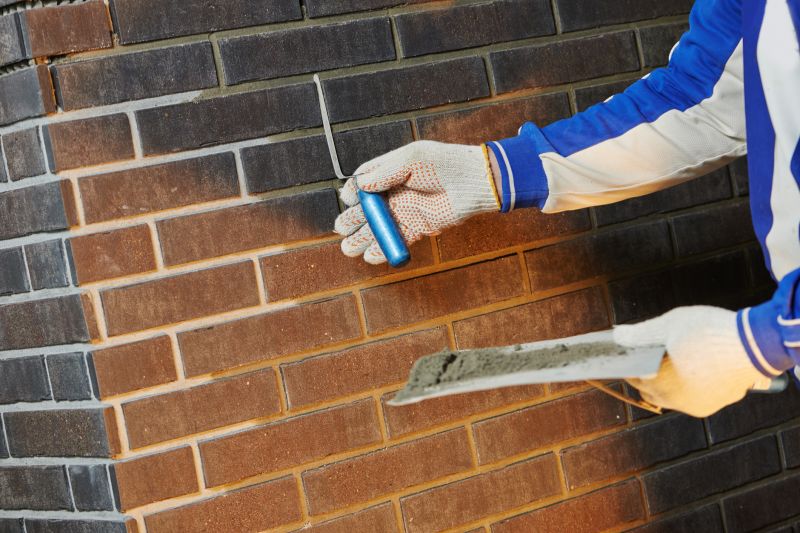
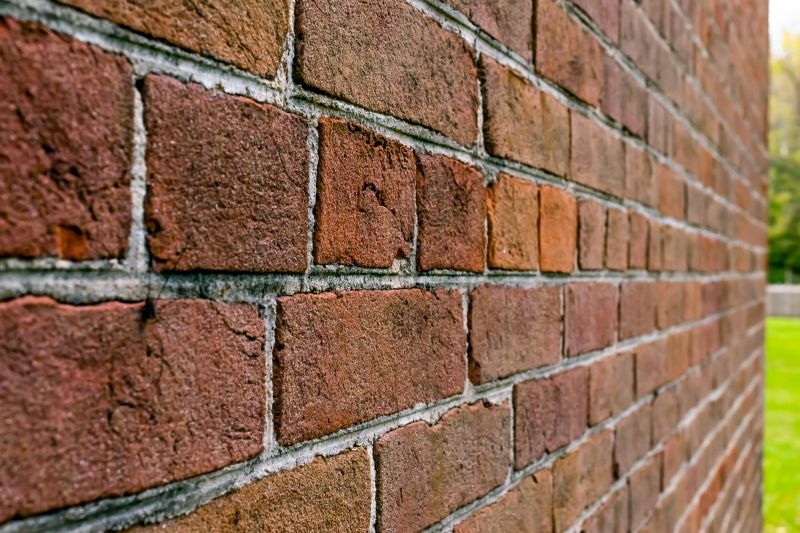
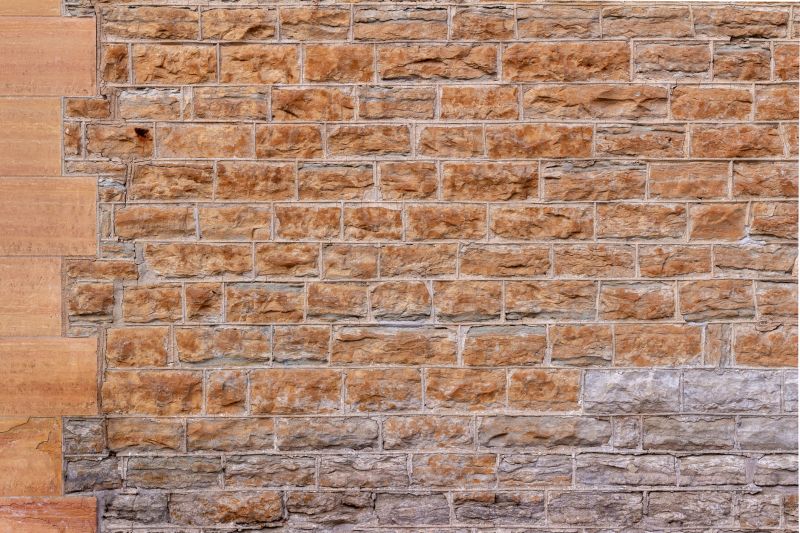
When people search for how tuckpointing helps prevent structural damage in commercial properties, they are typically interested in understanding how this specialized masonry repair technique can protect their investments. Tuckpointing involves removing deteriorated mortar from between bricks or stones and replacing it with fresh mortar, which restores the integrity of the wall. This process is often considered a preventative measure to address issues before they develop into more serious problems. Property owners and managers want to know how proper maintenance of the mortar joints can extend the lifespan of their buildings and avoid costly repairs down the line.
This topic is closely related to common problems such as cracked or crumbling mortar, water infiltration, and structural instability. When mortar joints weaken, moisture can penetrate the walls, leading to issues like mold, interior damage, and even foundation concerns if left unaddressed. Tuckpointing plans are frequently part of regular maintenance routines or repair projects aimed at safeguarding the building’s structural health. Commercial property owners may also consider tuckpointing as part of renovation or restoration efforts, especially for older buildings where mortar deterioration is more advanced.
The types of properties that typically come up in discussions about tuckpointing include commercial buildings such as office complexes, retail centers, warehouses, and industrial facilities. These structures often feature brick or stone facades that require ongoing upkeep to maintain their strength and appearance. Historic buildings are also common candidates for tuckpointing services, as preserving their original masonry can be vital to their character and value. Regardless of the property type, ensuring the mortar joints are intact helps prevent issues that could compromise the overall stability of the structure.
Engaging local contractors who specialize in commercial tuckpointing can be an effective way to address these concerns. These service providers understand the specific requirements of commercial masonry and can assess the condition of mortar joints accurately. They help property owners develop maintenance plans that include tuckpointing to prevent deterioration and structural damage. By working with experienced professionals, property managers and owners can ensure their buildings remain durable, safe, and visually appealing, while avoiding the risks associated with neglected mortar deterioration.
Masonry Restoration - This type of project involves repairing and restoring brick and stonework, utilizing skills similar to tuckpointing to maintain structural integrity and prevent damage.
Brick Repair and Replacement - Local contractors specializing in brick repair use similar techniques to tuckpointing to address cracks and deterioration that could lead to structural issues.
Facade Restoration - Restoring the exterior facades of commercial buildings often requires expertise in masonry and surface sealing to protect against water infiltration and damage.
Stonework Repair - Repairing and restoring stone elements involves skills akin to tuckpointing, ensuring the building remains stable and resistant to weather-related damage.
Mortar Joint Repointing - This project focuses on renewing mortar joints to prevent water intrusion and structural weakening, closely related to tuckpointing techniques.
Structural Crack Repair - Addressing cracks in walls or facades involves planning and skills similar to tuckpointing, helping to prevent further deterioration and damage.
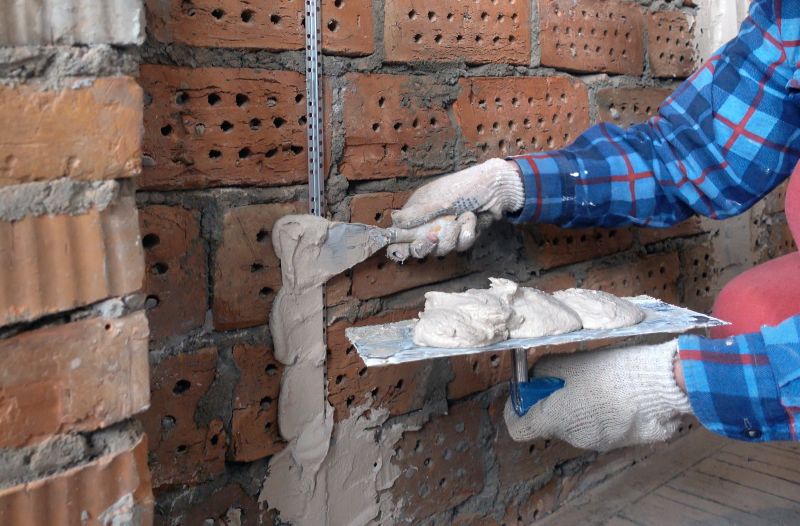
When comparing commercial tuckpointing service providers, it is important to consider their experience with similar projects. Contractors who have a proven track record working on commercial properties can better understand the unique challenges involved in maintaining structural integrity. Asking about their past work on buildings of comparable size and complexity can provide insight into their expertise and familiarity with the specific requirements of tuckpointing to prevent structural damage. This experience can help ensure that the chosen service provider has the skills necessary to deliver durable, long-lasting results that protect the building’s stability.
Clear written expectations are essential when evaluating potential contractors for tuckpointing services. A reputable service provider should be able to outline the scope of work, materials to be used, and the desired outcome in a detailed, written format. This helps create a shared understanding of the project’s objectives and reduces the risk of misunderstandings or overlooked details. Having a well-defined plan also allows property owners to compare proposals more effectively and ensures that the work performed aligns with the goal of preventing structural damage through proper tuckpointing techniques.
Reputable references and strong communication are key factors to consider when selecting a commercial tuckpointing contractor. Service providers who can provide references from past clients with similar projects demonstrate their reliability and quality of work. Good communication throughout the process-whether through prompt responses, clear explanations, or updates-can make a significant difference in the overall experience and outcome of the project. Choosing a contractor who values transparency and maintains open lines of communication can help property owners feel confident that their goals of protecting the building’s structure are being prioritized and effectively addressed.
Property owners often search for how tuckpointing helps prevent structural damage in commercial properties when they are planning practical projects around their homes and businesses. Local pros provide Commercial Tuckpointing services for everyday jobs and straightforward project options.
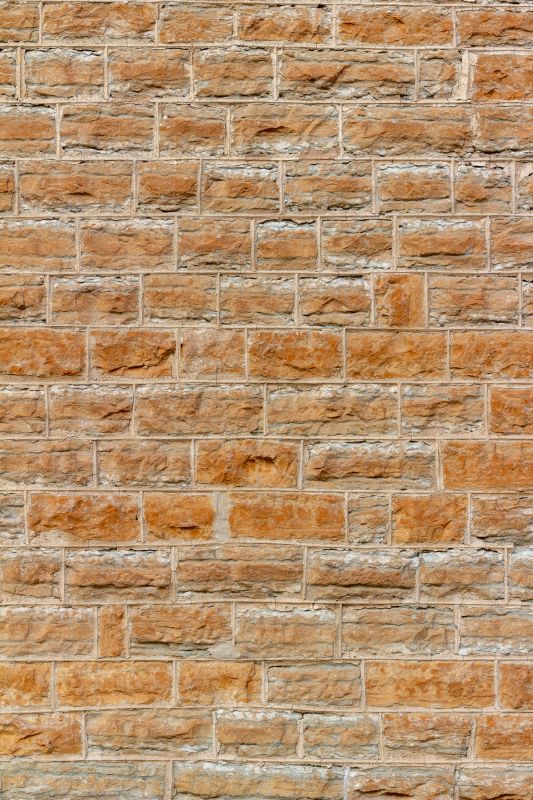
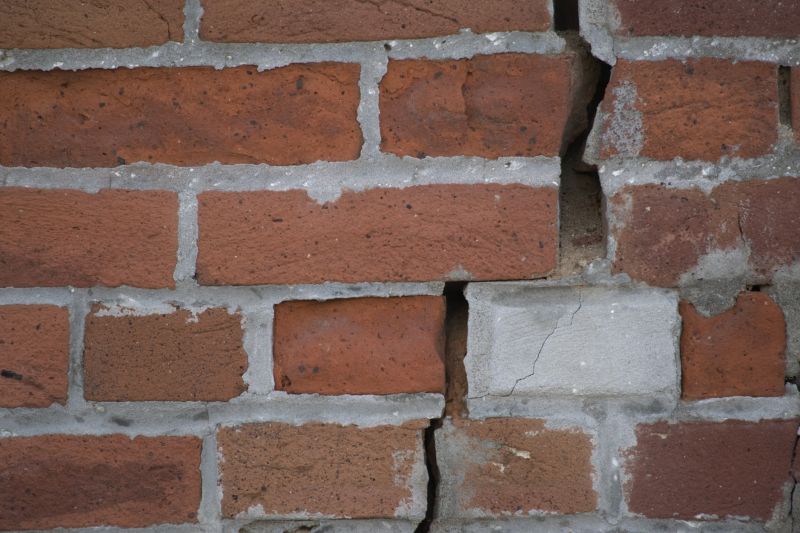
In everyday project situations, property owners often notice cracks, crumbling mortar, or deteriorating brickwork on their commercial buildings. These signs can indicate that the structure’s mortar joints are weakening, which may lead to more serious issues if left unaddressed. Tuckpointing services provided by local contractors help restore the integrity of the masonry, preventing water from seeping into the walls and causing further damage. Regular maintenance with professional tuckpointing can extend the lifespan of a building’s facade and reduce the risk of costly repairs down the line.
Many property owners seek out commercial tuckpointing services because they want to protect their investment and maintain a professional appearance. When mortar joints deteriorate, it can compromise the structural stability of a building, especially in areas prone to harsh weather conditions. Local service providers can assess the condition of the masonry and perform tuckpointing to reinforce the walls, helping to prevent issues like water infiltration and brick shifting. Choosing experienced local contractors ensures that the work is done effectively, supporting the long-term durability of commercial properties.
How does tuckpointing help prevent structural damage in commercial properties? Tuckpointing repairs deteriorated mortar joints, preventing water infiltration and structural weakening that can lead to costly damage over time.
Why is maintaining mortar joints important for commercial building stability? Properly maintained mortar joints ensure the integrity of the masonry, reducing the risk of cracks, spalling, and other issues that compromise the building’s structure.
How can local contractors assist in protecting a commercial property's structure through tuckpointing? Local service providers assess the condition of masonry, perform necessary tuckpointing repairs, and help preserve the building’s stability by addressing mortar deterioration early.
What are signs that indicate a commercial property might need tuckpointing? Visible cracks, crumbling mortar, water stains, or deteriorated joints are common signs that tuckpointing could help prevent further structural issues.
How does regular tuckpointing contribute to the long-term durability of commercial buildings? Regular tuckpointing maintains mortar integrity, reduces water damage risk, and supports the overall stability of masonry structures, helping to prevent costly repairs later.
Assessing mortar deterioration - Regular inspections can help property owners identify early signs of mortar damage, allowing local contractors to perform timely tuckpointing repairs.
Addressing cracked or damaged brickwork - Repairing cracks and damaged bricks with tuckpointing can prevent water infiltration that causes further structural issues.
Scheduling routine tuckpointing maintenance - Incorporating tuckpointing into maintenance plans helps maintain the integrity of exterior walls and prevents costly repairs.
Choosing durable mortar materials - Working with local service providers to select appropriate mortar types enhances the longevity of tuckpointing work and protects against weather-related damage.
If you are thinking about how tuckpointing helps prevent structural damage in commercial properties for a property, this guide is meant to help you understand this topic, the typical project types, and how different options might fit your plans.
When you are ready, you can use the quote form on this page to share a few details about your project. From there, local pros can review the basics and follow up with options that match what you have in mind.