Signs Commercial Brick or Stone Mortar Needs Tuckpointing
If signs commercial brick or stone mortar needs tuckpointing, local contractors can assess and restore the mortar to prevent damage and maintain the building’s appearance.
Property owners in the area who notice issues with their brick or stone exteriors often turn their attention to signs commercial brick or stone mortar needs tuckpointing. Cracks, deteriorating mortar, or visible damage can compromise the structural integrity and aesthetic appeal of a building. Addressing these concerns promptly can help prevent further deterioration and maintain the property's value. By exploring options for professional tuckpointing services, property owners can find reliable local contractors equipped to restore and preserve their brick or stone surfaces effectively.
Understanding when tuckpointing is necessary is a practical step for those responsible for maintaining commercial properties. Whether it's early signs of mortar deterioration or more evident structural issues, professional tuckpointing services can provide the expertise needed to repair and reinforce masonry. Connecting with experienced local service providers ensures that the work is handled with care and precision, helping property owners keep their buildings safe, attractive, and well-maintained. Keep reading to learn how local pros can assist with signs commercial brick or stone mortar needs tuckpointing.
- Signs commercial brick or stone mortar needs tuckpointing - property owners may notice cracked or deteriorating mortar that requires professional repair to maintain structural integrity.
- Signs commercial brick or stone mortar needs tuckpointing - buildings with weathered or damaged mortar joints often need tuckpointing services to prevent further deterioration.
- Signs commercial brick or stone mortar needs tuckpointing - local contractors can evaluate mortar damage caused by age or exposure and recommend appropriate tuckpointing solutions.
- Signs commercial brick or stone mortar needs tuckpointing - businesses seeking to preserve the appearance and stability of their brick or stone facades often turn to service providers for tuckpointing.
- Signs commercial brick or stone mortar needs tuckpointing - visible signs of mortar erosion or crumbling can indicate the need for expert tuckpointing from experienced local service providers.
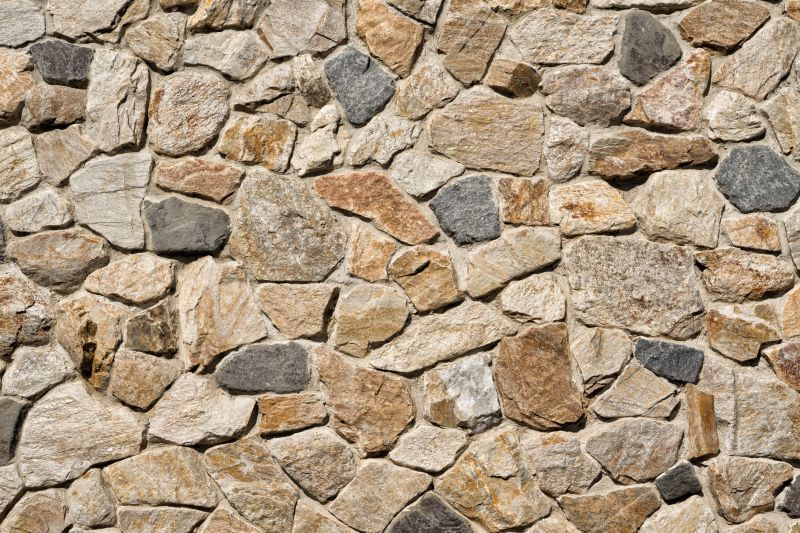
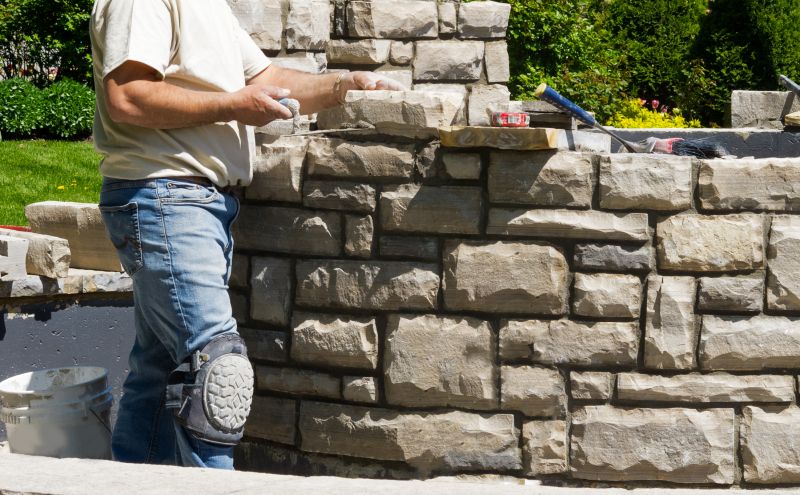
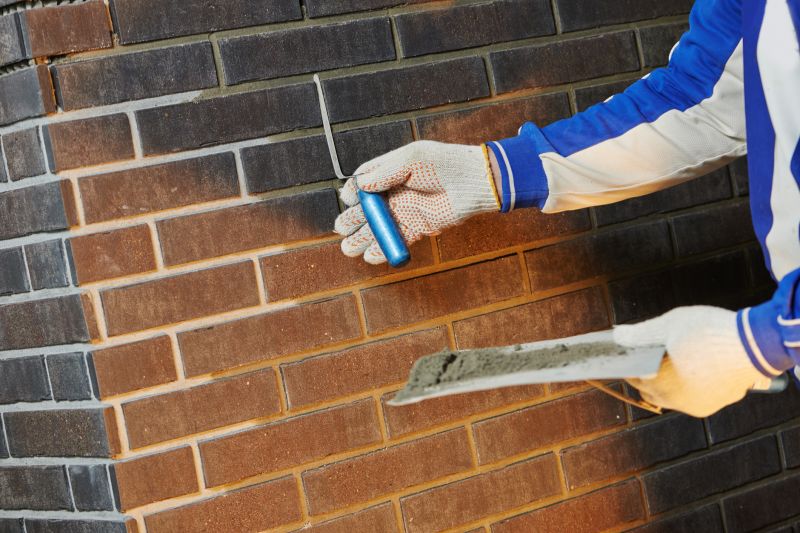
When people search for signs commercial brick or stone mortar needs tuckpointing, they are typically noticing issues with the appearance or integrity of their building’s exterior. Tuckpointing involves repairing or renewing the mortar joints between bricks or stones, which can become damaged over time. Common signs include visible cracks, crumbling mortar, or areas where the mortar has fallen out, exposing the underlying brick or stone. Homeowners and property managers often recognize these signs when inspecting their buildings, especially if the exterior looks aged or weathered. Identifying these issues early can prevent further deterioration and help maintain the structural stability of the property.
This topic is closely related to property maintenance and renovation plans, particularly for structures that rely on brick or stone exteriors. Damaged mortar can lead to water infiltration, which may cause more severe problems like mold, interior damage, or even structural weakening. Property owners might seek tuckpointing services as part of regular upkeep or in response to specific problems. For commercial buildings, maintaining a professional appearance is often essential, making timely repairs a priority. Tuckpointing can also be part of larger renovation projects aimed at restoring historic facades or improving the overall durability of the building’s exterior.
Properties that typically come up in discussions about tuckpointing include commercial buildings such as retail stores, office complexes, and multi-family apartment complexes. Older residential homes, especially those built with traditional brick or stone, also frequently require tuckpointing services. Historic buildings and landmarks often need specialized attention to preserve their original craftsmanship, which includes careful mortar repair. Additionally, industrial facilities with brick or stone facades may encounter mortar deterioration due to exposure to harsh weather conditions or environmental factors. Local contractors experienced in tuckpointing can assess these properties to determine the extent of mortar damage and recommend appropriate repair strategies.
Understanding the role of local pros in addressing signs that commercial brick or stone mortar needs tuckpointing is essential for property owners. These specialists have the expertise to evaluate the condition of mortar joints, identify underlying issues, and perform repairs that restore the building’s structural integrity and aesthetic appeal. Whether dealing with minor cracks or extensive mortar deterioration, professional tuckpointing ensures that the exterior remains durable and visually appealing. Connecting with experienced service providers can make a significant difference in maintaining the value and safety of brick or stone properties. Properly addressed mortar issues not only improve appearance but also help prevent costly repairs down the line.
Historical masonry restoration - professionals skilled in preserving and repairing historic brick or stone structures often perform tuckpointing to maintain the integrity of the mortar joints.
Brick veneer installation - installers working on brick veneer projects utilize similar skills in matching mortar colors and ensuring proper joint sealing, related to tuckpointing needs.
Masonry chimney repair - local contractors experienced in chimney restoration often handle mortar repairs and tuckpointing to prevent further deterioration.
Stone facade repairs - specialists working on stone facades perform tuckpointing to address mortar deterioration and maintain the appearance of the stonework.
Exterior wall repointing - service providers focusing on repointing exterior brick or stone walls use similar techniques and tools as tuckpointing for structural stability.
Concrete masonry work - masons working with concrete blocks often need to address mortar joint issues, requiring skills comparable to those used in tuckpointing projects.
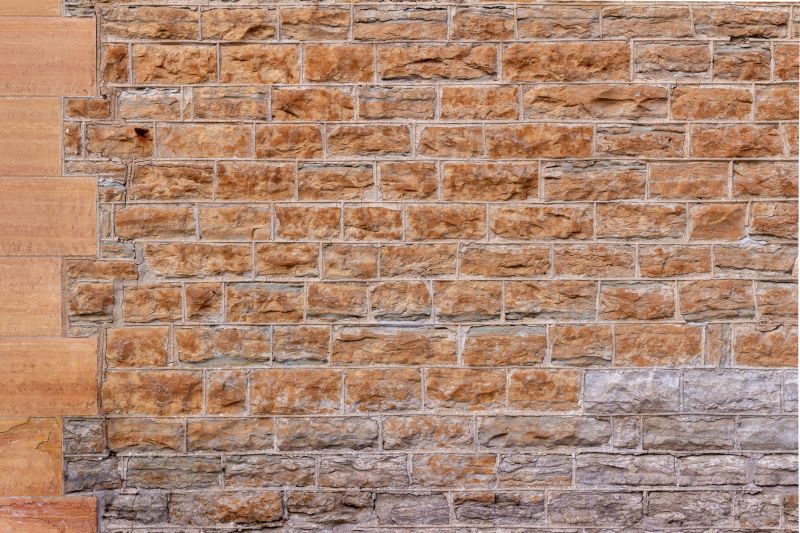
When evaluating service providers for signs commercial brick or stone mortar needs tuckpointing, experience with similar projects is an important factor to consider. Contractors who have a proven track record working with brick or stone structures can better understand the specific challenges that come with tuckpointing these materials. Homeowners should inquire about the types of projects a contractor has completed, ensuring they have relevant hands-on experience that demonstrates familiarity with the unique requirements of brick and stone masonry. This helps ensure that the work will be performed with appropriate techniques, resulting in a durable and visually consistent repair.
Clear written expectations are essential when selecting a contractor for tuckpointing services. A reputable service provider should be able to outline the scope of work, the materials to be used, and the process involved in addressing signs commercial brick or stone mortar needs tuckpointing. Having these details documented helps prevent misunderstandings and ensures that both parties are aligned on the project goals. Homeowners are encouraged to ask for detailed proposals or work descriptions that clarify what will be done, which can serve as a reference throughout the project and provide peace of mind that the work will meet their needs.
Reputable references and effective communication are key indicators of a dependable contractor. Homeowners should seek out service providers who can provide references from past clients with similar projects, giving insight into their reliability and quality of work. Additionally, good communication-such as prompt responses to questions and clear explanations of procedures-can make the process smoother and more transparent. Engaging with contractors who prioritize open dialogue and have positive references can help ensure that the project progresses smoothly and that expectations are met, ultimately leading to a successful outcome for signs commercial brick or stone mortar needs tuckpointing.
Property owners often search for signs commercial brick or stone mortar needs tuckpointing when they are planning practical projects around their homes and businesses. Local pros provide Brick or Stone Tuckpointing services for everyday jobs and straightforward project options.
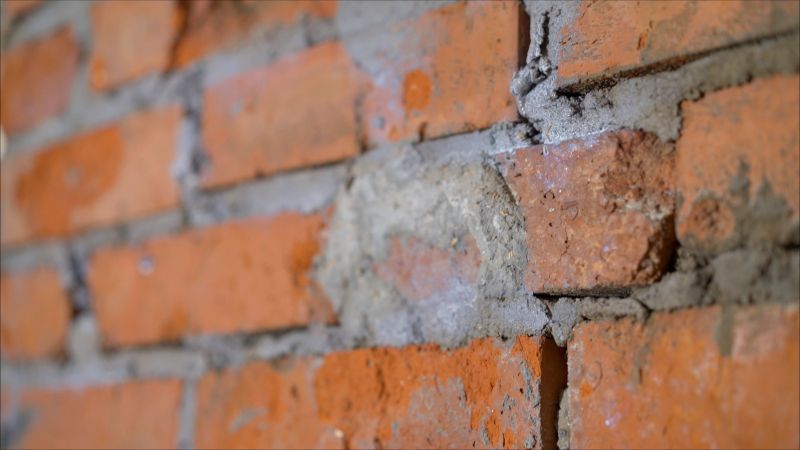
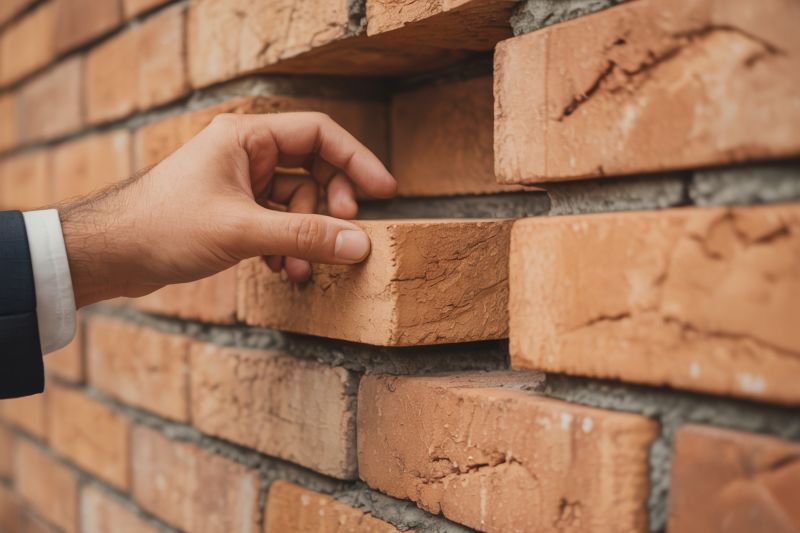
Property owners noticing cracked, crumbling, or deteriorating mortar between bricks or stones often seek out tuckpointing services to restore the structural integrity and appearance of their buildings. In commercial settings, these signs can be more than just cosmetic issues; they may indicate underlying problems that, if left unaddressed, could lead to more extensive damage or costly repairs. Local contractors experienced in brick and stone masonry can assess the condition of the mortar and recommend appropriate solutions to keep the building stable and looking its best.
Additionally, many property owners consider tuckpointing when they see water infiltration, loose bricks, or mortar that appears stained or weathered. These issues are common indicators that the mortar needs attention to prevent further deterioration. Local service providers specializing in brick and stone work can handle these repairs efficiently, helping maintain the value and safety of commercial structures. Connecting with local pros ensures that the project is managed by those familiar with the area's specific building conditions and materials.
What are common signs that commercial brick or stone mortar needs tuckpointing? Visible cracks, crumbling mortar, and missing mortar joints are typical signs that tuckpointing may be needed to maintain the integrity of the masonry.
How can I tell if my building’s brick or stone exterior requires tuckpointing? If mortar appears deteriorated, loose, or has gaps, it indicates that tuckpointing services by local contractors might be necessary to prevent further damage.
What issues can arise if mortar in brick or stone structures is neglected? Neglecting mortar deterioration can lead to water infiltration, structural instability, and increased repair costs, making timely tuckpointing important.
Are there specific signs on brick or stone walls that suggest tuckpointing is needed? Signs include efflorescence, spalling mortar, and mortar that is visibly cracked or missing, signaling the need for professional tuckpointing services.
Why is it important to address mortar issues on commercial brick or stone buildings promptly? Prompt attention helps preserve the building’s appearance, prevents further damage, and maintains the overall stability of the masonry structure.
Identify cracks and gaps - Recognizing visible cracks or gaps in brick or stone mortar can indicate the need for tuckpointing services from local contractors to prevent further damage.
Check for deteriorating mortar - Deterioration or crumbling mortar joints suggest that professional tuckpointing may be necessary to maintain the integrity of the masonry.
Monitor for moisture issues - Signs of moisture infiltration or water stains on brick or stone surfaces can be addressed through tuckpointing by local service providers to improve durability.
Assess aesthetic appearance - A worn or uneven mortar surface can impact the overall look of a property, prompting property owners to seek tuckpointing services from experienced local contractors.
If you are thinking about signs commercial brick or stone mortar needs tuckpointing for a property, this guide is meant to help you understand this topic, the typical project types, and how different options might fit your plans.
When you are ready, you can use the quote form on this page to share a few details about your project. From there, local pros can review the basics and follow up with options that match what you have in mind.